In today's competitive landscape, choosing the right storage solution is essential for any business. Heavy Duty Storage systems offer unmatched durability and efficiency. Expert John Smith, a veteran in the storage industry, emphasizes, "Investing in heavy-duty solutions not only saves money but enhances operational efficiency."
Many businesses overlook the importance of robust storage options. They often choose cheaper alternatives that may falter under pressure. Heavy Duty Storage units can support significant weight and withstand demanding conditions, making them ideal for warehouses and retail settings. Failing to recognize their value could result in costly downtime or damaged inventory.
Imagine a busy warehouse where everything runs smoothly. Heavy Duty Storage ensures products are well-organized and accessible. However, some companies stick to outdated systems. This reluctance could hinder growth and productivity. Investing in Heavy Duty Storage equips businesses for long-term success.
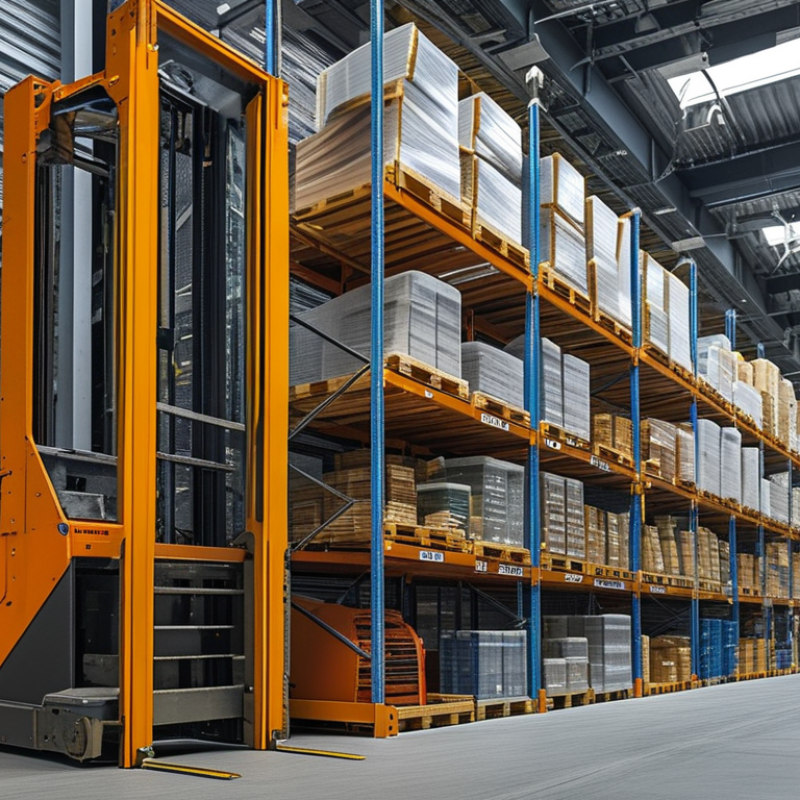
Heavy duty storage solutions offer numerous benefits for businesses. These solutions are designed to withstand heavy loads and rigorous use. They can accommodate large items and maximize vertical space, making them ideal for warehouses and factories. Sturdy shelving and industrial racks not only improve organization but also enhance accessibility. Employees can easily find what they need, eliminating wasted time.
Investing in heavy duty storage also boosts safety in the workplace. A well-organized storage system reduces clutter, minimizing the risk of accidents. Heavy items are less likely to topple over when properly stored, protecting both staff and inventory. Additionally, these solutions can be customized to fit specific needs. Flexibility ensures that businesses can adapt their storage as they grow.
However, implementing heavy duty storage isn’t without challenges. It requires upfront investment and planning. Business owners must evaluate their current and future storage needs accurately. This process can be time-consuming and may require adjustments. The potential for misjudgment in required capacity can lead to wasted resources. Despite these challenges, the long-term advantages significantly outweigh the initial hurdles.
When considering heavy duty storage solutions for your business, it’s essential to focus on key features that enhance efficiency and reliability. According to a report by the National Association of Wholesaler-Distributors, effective storage systems can improve inventory management by up to 30%. These systems must be designed for durability and adaptability, particularly in fast-paced environments.
Look for heavy duty systems that offer adjustable shelving. This feature allows for customization based on changing inventory needs. Additionally, strong materials, such as steel or reinforced composite, contribute to longevity. It's essential to assess the weight capacity of each storage unit as well. Research indicates that units with a minimum weight rating of 1,500 lbs are ideal for industrial use.
Tip: Always calculate your average inventory weight before selecting systems. Overestimating can lead to inefficiencies. While price is a factor, consider the long-term value of investing in durable solutions. It might be tempting to choose lower-cost options, but they could compromise safety and accessibility in the long run. Reflect on your storage needs regularly to ensure optimal functionality.
When evaluating storage solutions, two main categories emerge: heavy duty and standard. Heavy duty solutions often provide robust support for weighty items, perfect for demanding environments. They are crafted from stronger materials and designed for greater durability. You'll notice the difference when trying to store equipment or inventory in a warehouse setting. Standard storage may buckle under pressure, leading to potential hazards.
Heavy duty options often come with added features. Enhanced load-bearing capabilities ensure items remain secure. They may include adjustable shelving and reinforced racking systems. In contrast, standard units might fall short in versatility. They are prone to wear and may require frequent replacements, leading to hidden costs over time.
Consider your inventory needs. If you store heavy machinery or pallets, heavy duty is the way to go. But if your items are lighter, standard solutions might suffice. It’s crucial to weigh the long-term implications of your choice. Think about what you truly need. The decision can reflect on safety and efficiency in your operations.
Heavy duty storage solutions are essential for businesses looking to maximize space and efficiency. Investing in these robust storage systems can lead to significant cost savings. When your equipment is stored properly, it reduces damage and increases longevity. This means less money spent on replacements and repairs. Over time, these savings add up, making heavy duty storage a smart investment.
Consider the layout of your workspace. A well-organized area enhances productivity. Use heavy duty shelving and racks to optimize vertical space. This not only declutters but also prevents accidents caused by misplaced items. Take time to analyze which items require accessibility and which can be stored away. This reasoning may help prevent unnecessary expenditures on storage solutions that don't meet your business needs.
Remember to evaluate your storage regularly. Assess whether your current system is meeting your demands. Trends in inventory can change; flexibility is crucial. You might find that certain solutions are underutilized or not fitting your evolving inventory needs. Being open to change can foster a more efficient storage environment and ultimately save money.
Heavy-duty storage solutions have transformed many businesses, particularly in warehousing and manufacturing.
For instance, a company focused on automotive parts utilized robust shelving systems. Initially, balancing
storage capacity and accessibility was challenging.
The chosen heavy-duty system allowed them to organize thousands of components efficiently. After implementation,
they recorded a 30% reduction in picking time. Workers could
easily locate items, resulting in smoother operations and heightened productivity.
Another case involved a food distribution center. They needed a storage solution that could withstand heavy loads and
temperature fluctuations. By investing in durable racking systems, they ensured compliance with health regulations and
optimized space. However, staff initially struggled with the new layout. Over time, they adapted, leading to improved
inventory management. The center saw an increase in order accuracy,
proving the value of heavy-duty storage beyond mere capacity.
These examples underscore the necessity of choosing the right storage solutions.
Not only do they enhance efficiency, but they also address specific challenges. However, implementation requires ongoing
evaluation. Businesses must remain flexible, ready to adjust systems as needs evolve. The journey to
perfecting storage is often iterative.
: Heavy duty storage solutions withstand heavy loads and improve organization, enhancing accessibility and saving time for employees.
A well-organized storage system reduces clutter, minimizing accident risks. Proper storage ensures heavy items are secure and less likely to fall.
Look for adjustable shelving, strong materials, and appropriate weight capacity for better durability and adaptability in fast-paced workplaces.
Misjudging storage capacity can lead to wasted resources. Proper assessment prevents inefficiencies, saving time and money in the long run.
Choosing cheaper options may save money initially but could compromise safety and accessibility, leading to potential issues later.
An automotive parts company reduced picking time by 30% after implementing heavy-duty systems, improving overall productivity significantly.
Implementation can be time-consuming. Staff may struggle with new layouts initially, which requires patience and adaptation over time.
Regular evaluation is essential. Storage needs can change; staying flexible ensures that systems remain effective and suitable for current requirements.
Durable materials like steel enhance longevity. They ensure that heavy duty storage can handle demands without compromising performance.
Effective storage systems can improve inventory management by up to 30%, making it easier to locate items and manage stock efficiently.
Heavy Duty Storage solutions offer numerous benefits for businesses, including increased durability, enhanced organization, and optimized space utilization. By investing in heavy duty storage, companies can ensure their equipment and inventory are securely stored, minimizing the risk of damage and providing easier access when needed. Key features to consider when selecting these systems include load capacity, material strength, and modular design, which allow for customization based on specific operational needs.
In comparing heavy duty storage to standard options, businesses often find that while initial costs may be higher, the long-term savings and efficiency gains make heavy duty storage a cost-effective choice. Case studies demonstrate successful implementations, showcasing how various organizations have improved their storage capabilities and overall productivity by adopting heavy duty storage solutions tailored to their requirements.

Kimsuk Racking