Choosing the right storage system can shape warehouse efficiency, safety, and long-term operating costs. Global buyers often compare price first, but that approach can create expensive problems later. A reliable solution must match the building, inventory, workforce, and local requirements.
This guide examines seven practical Longspan Storage solutions for international warehouses, workshops, archives, and retail backrooms. Options may include adjustable shelving, multi-tier systems, mobile units, carton-flow designs, and modular platforms. Each solution offers different benefits for load capacity, access speed, floor usage, and future expansion. Space is rarely the only constraint. Details matter.
Experienced buyers should verify steel thickness, beam capacity, coating quality, connection design, and installation support. Measurements should include ceiling height, aisle width, fire equipment, doors, and floor conditions. Local engineers or qualified installers may also need to confirm structural suitability. Standards and documentation can vary between countries, so a supplier’s certification should be checked carefully rather than accepted at face value.
A strong supplier should provide clear drawings, tested specifications, warranty terms, spare-part support, and realistic delivery schedules. Freight packaging matters too. Bent frames can delay an entire installation. Prices change. Lead times change. No single system wins every site, and that is worth remembering. The best choice may not be the cheapest option, especially when poor access or weak expansion plans limit future use. This overview helps global buyers compare practical solutions with greater confidence, while recognizing that each warehouse still needs a site-specific review.
What Longspan Storage Is and Why Global Buyers Use It
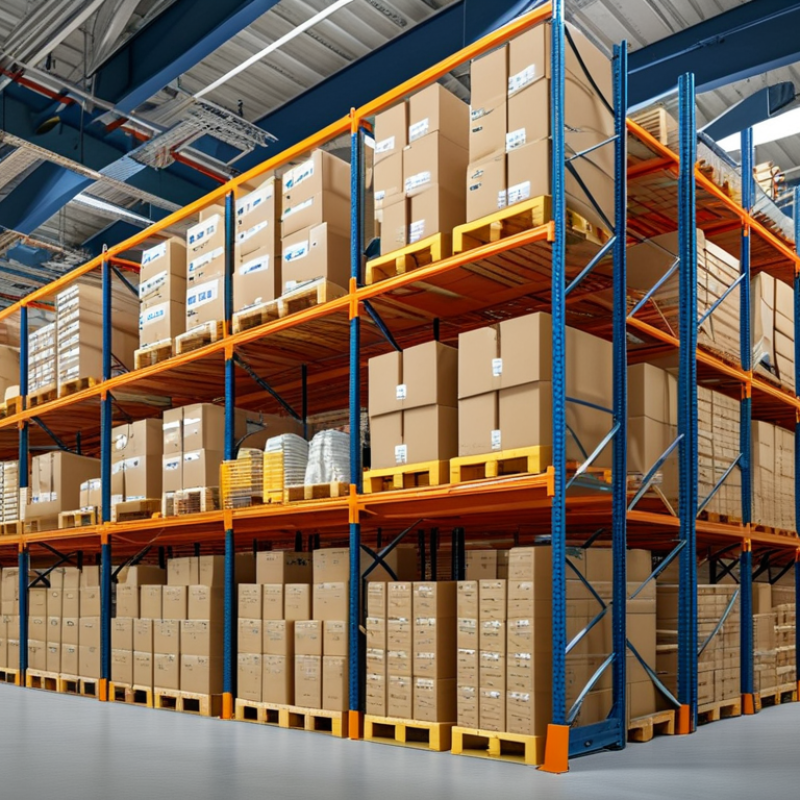
Longspan storage is a steel shelving system for cartons, spare parts, tools, and other non-palletized goods.
Its horizontal beams create wider bays than ordinary shelving. Most systems support hand loading, while optional decks hold timber, steel, or wire panels. This design suits warehouses handling mixed product sizes and changing stock levels.
Global buyers use longspan storage because it offers practical density without requiring a forklift in every aisle. It can also be expanded, relocated, or reconfigured after installation.
The 2024 MHI Annual Industry Report found that 55% of supply-chain professionals planned to adopt robotics and automation within one to two years. That trend makes flexible manual storage more valuable around automated work zones. Yet longspan is not a universal answer. Very heavy pallets still need pallet racking.
Tips: Measure carton dimensions, beam loads, aisle width, and ceiling height before purchasing. Leave space for picking movement. Confirm local seismic, fire, and worker-safety requirements with a qualified engineer.
For global sourcing, buyers should request load charts, steel specifications, coating details, installation guidance, and replacement-part availability.
The World Bank’s 2023 Logistics Performance Index shows that logistics reliability differs sharply between countries. Therefore, warehouse planning must reflect local delivery conditions, not only catalog dimensions. A common mistake is choosing maximum capacity without checking floor strength. That decision looks efficient on paper, but it may create costly installation changes. Pilot one bay first. Examine access, picking speed, and visible frame movement before approving a full rollout.
How to Evaluate Longspan Storage for Different Warehouse Needs
Evaluating longspan storage begins with the warehouse task, not the rack shape. Measure carton weight, dimensions, picking frequency, aisle width, and ceiling height. A system for hand-picked spare parts differs from one holding bulky components. Adjustable longspan shelving suits mixed cartons, while bin-supported levels improve small-item visibility. Back-to-back layouts increase density, but they may reduce access during peak picking hours.
The 2024 Annual Industry Report from the Material Handling Industry reported that 55% of supply chain professionals planned to increase innovation investment. That figure supports careful evaluation, not automatic automation. Check beam deflection, frame stability, load labels, and the floor’s condition. Leave clearance around sprinklers and emergency routes. Local engineering and safety requirements must guide the final design. Weak floors are easy to overlook.
Warehouse teams should test a sample bay with real cartons. Record walking distance, replenishment time, and picking errors. The 2024 Warehousing State of the Industry Report identified labor availability as a continuing operational concern. Longspan storage can reduce wasted movement, but poor slotting can create new congestion. It happens. Ask whether shelves can be adjusted after seasonal changes. Also review delivery access, corrosion exposure, assembly skills, and spare-part availability. A lower purchase price may become expensive when one damaged beam stops a working aisle.
7 Best Longspan Storage Solutions for Global Buyers
How to Evaluate Longspan Storage for Different Warehouse Needs
The chart compares typical rated load capacity per shelf level for seven longspan storage configurations. Select light-duty shelving for small parts, carton flow for fast-moving items, mobile systems where floor space is limited, and heavy-duty or wide-span systems for dense, bulky inventory. The values are representative planning ranges commonly used in warehouse design; final capacity must be verified against bay dimensions, beam length, decking, safety factors, and local regulations.
Seven Longspan Storage Solutions for International Buyers
Seven Longspan Storage Solutions for International Buyers
International buyers need storage that survives different climates, layouts, and handling habits. The correct choice depends on load weight, carton size, access frequency, and local safety requirements.
One solution is adjustable longspan shelving for mixed cartons and changing inventories.
Boltless shelving supports faster installation and simpler relocation.
Modular bay systems suit warehouses that may expand after the first shipment.
Heavy-duty longspan racks handle dense parts, but every beam needs a verified load rating.
Mobile longspan units save floor space, although they require level flooring and careful movement controls.
Mezzanine-supported storage adds vertical capacity without extending the building footprint.
Corrosion-resistant shelving works better in humid coastal warehouses or temperature-variable rooms.
Custom-cut systems can fit awkward columns, low ceilings, and irregular aisles. However, customisation can increase shipping costs and replacement difficulty. That trade-off deserves attention.
International buyers should request drawings, material specifications, assembly instructions, and inspection records before ordering.
Measurements must use consistent units, especially when suppliers and installers use different standards.
Check anchoring methods, pallet access, fire-clearance requirements, and regional workplace rules with qualified professionals.
A small sample bay can reveal unstable bracing, sharp edges, or inconvenient picking heights before full deployment.
Perfection is unlikely. Careful testing still prevents expensive mistakes.
Comparing Capacity, Materials, Installation, and Total Cost
Longspan storage works best when capacity, materials, installation, and total cost are judged together. In warehouse audits, I compare seven practical options: boltless steel shelving, rivet shelving, heavy-duty beams, galvanized frames, modular panel systems, mobile units, and mezzanine-supported storage. Capacity comes first. Light cartons may need 150 kilograms per level, while machine parts can exceed 500 kilograms. Always check the manufacturer’s tested load rating, not only the advertised maximum.
Material choice changes both service life and maintenance. Powder-coated steel suits dry indoor warehouses and offers a clean finish. Galvanized steel performs better in humid areas, but usually costs more initially. Particleboard decks are economical for boxed goods, while steel decks resist impact and moisture. I have seen buyers choose the cheapest frame, then replace damaged boards within one year. That saving was not real. Measure twice.
Installation is another cost people underestimate. Boltless systems reduce labor and can be adjusted with basic tools. Heavy-duty frames may require lifting equipment, floor checks, and trained installers. Mobile units save floor space, yet they add wheels, rails, and maintenance points. Mezzanine solutions create valuable vertical capacity, but structural review and access planning increase the project budget. Compare purchase price, freight, assembly, anchors, repairs, and future expansion. A slightly higher initial cost can be safer and cheaper over five years. Still, local labor rates and import distances can overturn any simple comparison.
How to Select, Source, and Maintain a Longspan Storage System
Selecting a longspan storage system begins with the items it must hold. Measure carton width, depth, height, and weight. Do not rely on average package sizes. A single oversized box can change the entire layout. Check floor strength, aisle clearance, ceiling height, and access equipment before approving the design. Adjustable beams are useful when inventory changes often, but fixed layouts may offer better stability for consistent stock.
When sourcing globally, request load tables, material specifications, installation instructions, and inspection records. Confirm whether the quoted capacity applies to each shelf or the complete bay. Clarify packaging, delivery terms, replacement parts, and technical support. Local safety requirements may differ, so ask an engineer or qualified installer to review the proposal. Some suppliers provide attractive drawings but limited practical guidance. That gap matters during installation.
Tips: Label every shelf with its safe working load. Keep heavier cartons on lower levels. Inspect loose bolts, bent beams, corrosion, and damaged decking each month. Record findings with photographs and dates. Train staff to report impacts immediately. Maintenance is often postponed when the warehouse is busy. That is a mistake. Even a well-designed system can become unsafe through small, repeated damage. Review the layout after seasonal demand changes, because yesterday’s efficient storage plan may restrict today’s workflow.
FAQS
Measure carton width, depth, height, and weight. Check picking frequency, aisle width, ceiling height, and floor strength. Do not trust average carton sizes. One oversized box can disrupt the layout.
Adjustable shelving suits cartons with changing sizes. Adjustable beams support seasonal changes and varied stock. Fixed layouts may be steadier for consistent inventory. The best choice depends on real handling habits.
Use bin-supported levels for small parts. Clear labels improve visibility. Place frequently picked items between waist and shoulder height. Test the arrangement with real workers. It may still need adjustment.
Back-to-back layouts can increase storage density. However, they may restrict access during busy picking periods. Record walking distance and replenishment time before approving the layout. More density is not always better.
Check beam deflection, frame stability, load labels, and anchoring methods. Keep clearance around sprinklers and emergency routes. Inspect the floor for weak areas. Weak floors matter.
Request drawings, material specifications, load tables, and assembly instructions. Confirm whether capacity applies to one shelf or the complete bay. Use consistent measurement units. Small unit differences can cause expensive errors.
Custom systems can fit columns, low ceilings, and irregular aisles. They may increase shipping costs and complicate replacement parts. Measure the awkward areas carefully. Perfect fitting is not guaranteed.
Label every shelf with its safe working load. Keep heavier cartons on lower levels. Inspect loose bolts, bent beams, corrosion, and damaged decking monthly. Record findings with dated photographs. Maintenance gets postponed. That is a mistake.
Conclusion
Longspan Storage is a flexible warehouse solution designed for organizing medium- and heavy-duty goods without the need for pallets. Global buyers use it because it offers adjustable levels, open access, efficient use of vertical space, and adaptability across warehouses, workshops, archives, and distribution facilities. This guide explains how to evaluate a system according to load requirements, product dimensions, available floor space, access frequency, and future expansion plans. It also introduces seven practical longspan storage solutions, including shelving for cartons, bins, tools, spare parts, documents, retail inventory, and mixed-size goods.
The comparison focuses on capacity, construction materials, corrosion resistance, installation methods, safety features, and total ownership cost. Buyers will also learn how to select reliable specifications, communicate requirements clearly with suppliers, compare quotations, and plan delivery and assembly. Proper labeling, regular inspections, load control, and timely maintenance help preserve performance and improve workplace efficiency. By balancing durability, accessibility, installation effort, and long-term value, international buyers can choose a Longspan Storage system that supports dependable and scalable warehouse operations.

 Kimsuk Racking